About EMP
Global economic and monetary policy is entering a more fragmented and uncertain phase: higher for longer interest rates, tighter fiscal constraints and rising geopolitical tension are reshaping how central banks, finance ministries and public investors think about liquidity, stability and long-term value.
OMFIF’s Economic and Monetary Policy Institute provides members and partners with trusted, off-the-record conversations with the institutions interpreting these shifts, enabling earlier insight, informed peer exchange and deeper understanding of how public capital is evolving.

Membership
EMP membership provides institutions with unparalleled access to a global network of policy-makers and public investors. Packages are tailored to align with members’ strategic priorities and may include a combination of dialogue, research collaboration and networking opportunities.
In addition to OMFIF's public events and research, EMP membership includes participation in exclusive member-only discussions and briefings, as well as early access to OMFIF's analysis and data. Membership also provides opportunities to contribute to OMFIF's Bulletin, podcasts and commentary platform.
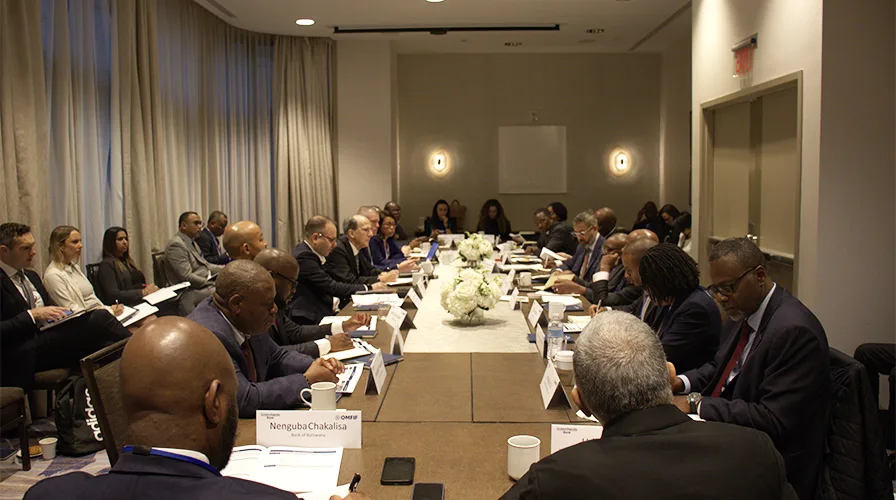
EMP events
EMP convenes decision-makers responsible for monetary policy, financial stability, public investment and market regulation. Participation spans advanced and emerging economies, enabling members to benchmark policy approaches and investment thinking across jurisdictions.
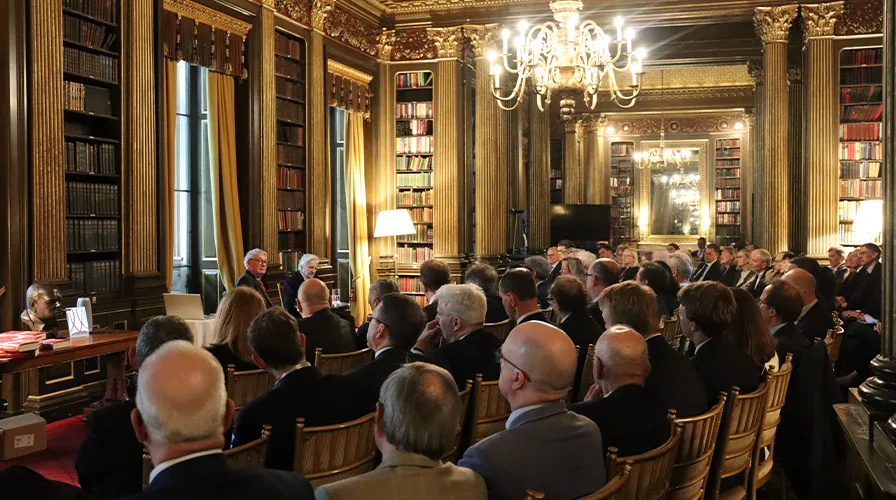
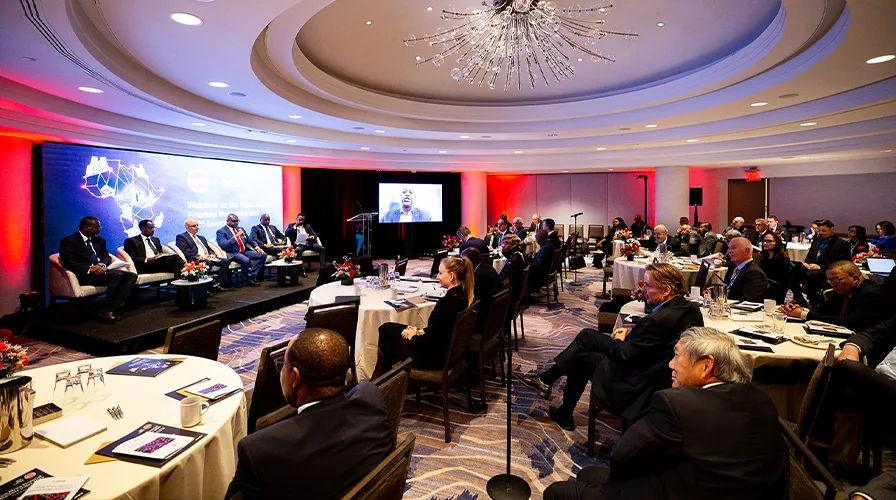
EMP hosts roundtables, seminars, lectures, conferences and forums, including the China-UK investor forum and events at the International Monetary Fund-World Bank meetings. In the past 12 months, EMP has brought people together in London, Brussels, Rome, Amsterdam, Washington DC and New York, as well as virtually.
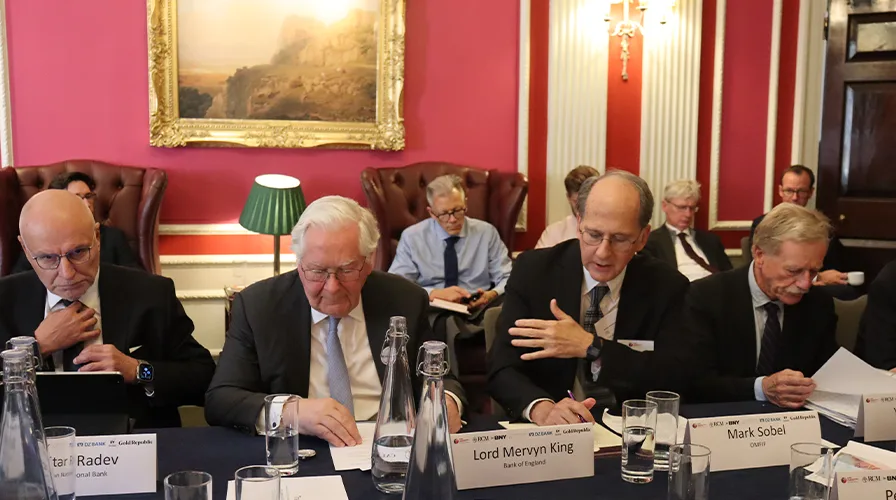
EMP also hosts central bank governors as part of the 'Conversations with the governor' series. Previous guests have included Andrew Bailey, Joachim Nagel, François Villeroy de Galhau, Mário Centeno, Dimitar Radev and Alberto Musalem.
Research and analysis
Global Public Investor
The Global Public Investor workstream is EMP’s flagship research programme. It features a global survey of official institutions with more than $10tn in assets under management.
Absa Africa Financial Markets Index
The Absa Africa Financial Markets Index assesses financial market development across the continent through the lens of transparency, accessibility and openness.
The future of public money
Over the past few years, OMFIF has collaborated with EY on a project that explores how to improve public finance management through more effective allocation of public funds.

Working groups
To help make sense of and interpret global developments in economic policy, regulation, investment approaches and risk strategies, EMP conducts two workings groups: the Reserve Management Working Group and the Gold and Precious Metals Working Group. Click on the banners to find out more.