

Drawing on the OMFIF commonwealth of experts, opinion-formers and lead actors, our Corona Consequences series presents a debate that aims to be intriguing, stimulating, provocative and partial. We span politics, economics, technology, environment issues and psychology. Scanning the international scene through the OMFIF central banking and public policy lens, writers encompass a wide spectrum of geography and opinion.

Still a privilege, no longer exorbitant
Investors still pay a premium to hold dollars but now demand one to hold Treasuries

The inevitable mathematics of sovereign debt
Central banks understand it, so should individual investors

Financing Latin America’s long-term transition
Despite policy uncertainty, the region is becoming fertile soil for investment

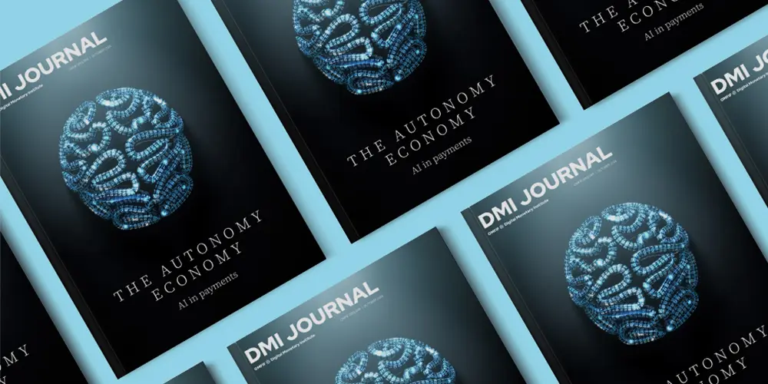
Giving artificial intelligence the power to pay
This October edition of the OMFIF Digital Monetary Institute Journal examines what changes are necessary before progress can happen in agentic payments

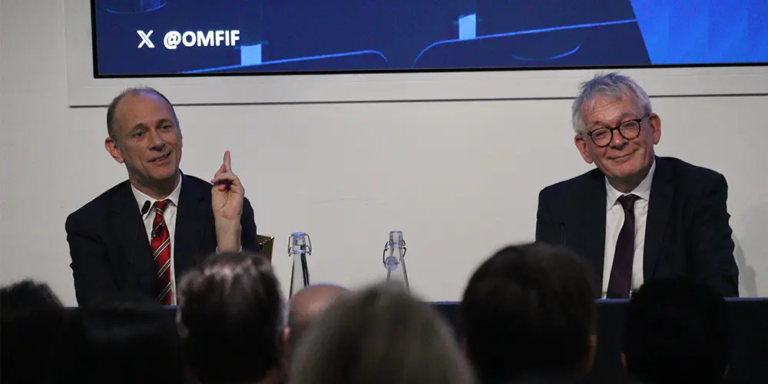
Austan Goolsbee on why ‘looking through’ shocks no longer works
Chicago Fed president discusses persistent supply shocks, the pain of tightening and why independence matters more than ever
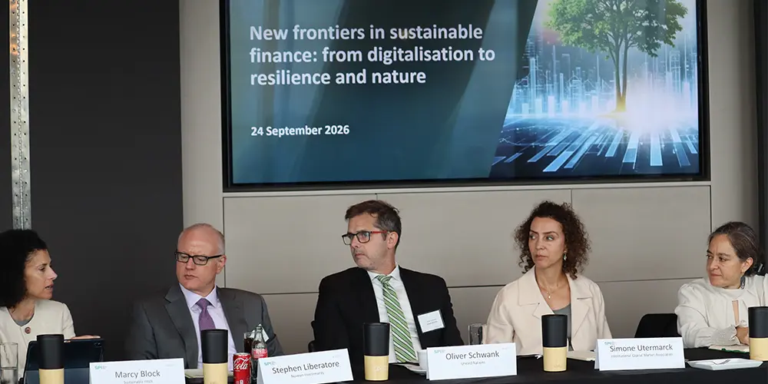
New York Climate Week 2026: Resilience, data centres and nature
Investors strengthen focus on environmental, social and financial resilience

The missing variable in the imbalances debate
US deficit and the dollar’s reserve status are not separate stories


Stablecoins and the digital dollarisation of Latin America
Widespread adoption has important implications for monetary sovereignty
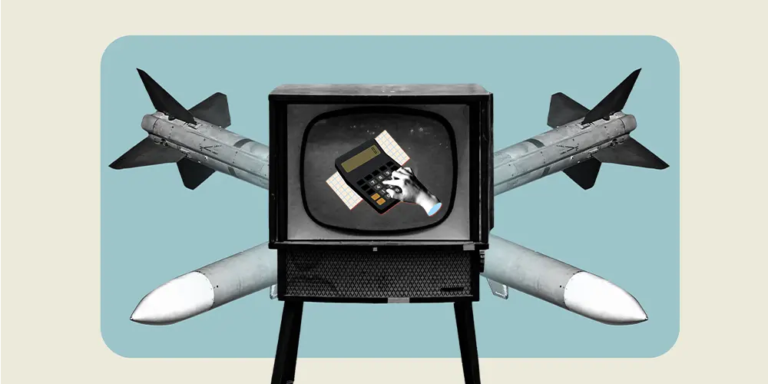
The new economics of defence financing
Modern warfare requires a fresh approach to public procurement and defence spending

Asia beyond buffers: the second-generation resilience agenda
Absorbing shocks was the first generation of resilience-building, reducing exposure is the second

The offline digital euro: when the secure element fails, what remains?
Two questions should be settled before the design is fixed


Brazil’s banking retreat is mostly a reporting change
Countries are changing position in the international financial system faster than statistics can follow
