
Assessing Labour’s second year: credibility, competitiveness and growth
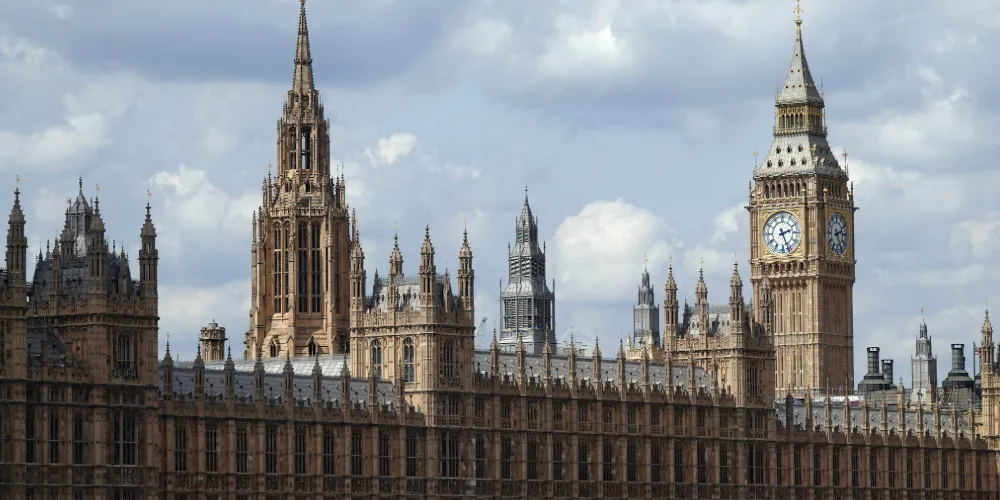
Two years after returning to power, the Labour government faces mounting pressure to deliver stronger growth, improve productivity and maintain fiscal credibility amid heightened geopolitical uncertainty and recent leadership tensions.
This in-person roundtable assesses the government’s economic record and the outlook for the remainder of the parliamentary term. It examines progress on growth and investment, industrial strategy, public finances and the UK’s competitiveness agenda, alongside the implications of political uncertainty for markets and business confidence.
Participants also consider whether the government can sustain policy credibility and advance its reform agenda amid rising spending pressures, weak productivity growth and a more challenging domestic and global backdrop.
Speakers
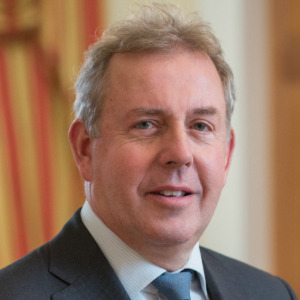
Lord (Kim) Darroch
British Ambassador to the United States (2016-2019)
Lord (Kim) Darroch
British Ambassador to the United States (2016-2019)

Sophie Hale
Research Director
Resolution Foundation
Sophie Hale
Research Director
Resolution Foundation

David Marsh
Chairman
OMFIF
David Marsh
Chairman
OMFIF
David Marsh is Chairman and Co-Founder of OMFIF. Before starting at OMFIF in late 2009, he worked for City merchant bank Robert Fleming, corporate finance boutique Hawkpoint, German management consultancy Droege and London investment firm London & Oxford. Marsh took over the chairmanship from John Plender on 1 January 2018 having been Managing Director since 2014. He moved to a non-executive role following John Orchard’s appointment as Chief Executive effective 1 January 2020.
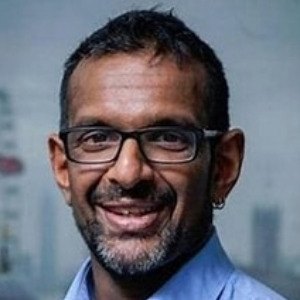
Anand Menon
Director
UK in a Changing Europe
Anand Menon
Director
UK in a Changing Europe
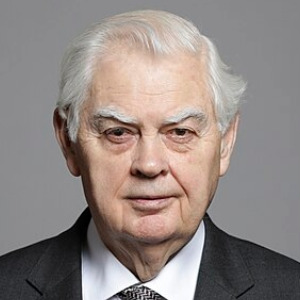
Lord (Norman) Lamont
Member
House of Lords
Lord (Norman) Lamont
Member
House of Lords
Lord Norman Lamont is the former Chancellor of the Exchequer under John Major from 1990 to 1993 and is a keynote speaker on the economy, Brexit and the current political climate.
For 25 years, Lord Lamont was a member of the House of Commons, and besides being Chancellor, he was also a member of Mrs. Thatchers Cabinet.
Appointed a member of the House of Lords in 1998 he is a member of the Economic Affairs Committee.
Lord Lamont was Britain’s Chief Negotiator at the Maastricht Treaty and negotiated Britain’s non-membership of the euro, of which he remains a strong opponent and critic.
In 2008, David Cameron asked Lord Lamont with other former Chancellors to be part of a team to advise him on Britain’s financial problems.
An active member of the Leave Campaign during the Referendum, it has been often said he gave Brexit its credibility when in 1994 he said that one day Britain might be forced to consider it.
He is currently the Chairman of the British Iranian Chamber of Commerce and a member of the Advisory Board of the Iran Heritage Foundation, a body promoting Iranian culture and art. In 2016, he was the Prime Minister’s Trade Envoy to Iran.
He has a degree in Economics from Fitzwilliam College, Cambridge, and was President of the Cambridge Union.

Nicola Smith
Director of Policy
Trades Union Congress
Nicola Smith
Director of Policy
Trades Union Congress
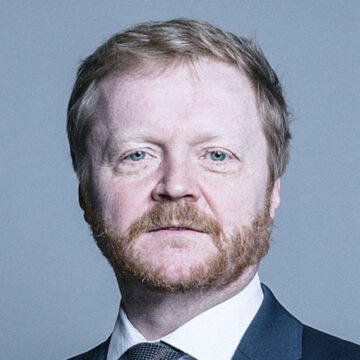
Lord (Stewart) Wood
Chair, Economic Affairs Committee
House of Lords
Lord (Stewart) Wood
Chair, Economic Affairs Committee
House of Lords