
Infrastructure is often hailed as the engine of productivity and economic growth. Yet in many countries, roads crumble, railways stall and essential services like water and electricity remain inadequate. The common excuse? A lack of funding – or the political will to raise taxes and cut spending.
But governments have two sources of revenue: taxes and non-tax income. While resource-rich countries often generate income from oil, gas or minerals, even countries without such endowments can tap into overlooked assets by managing them more professionally.
Take Singapore, for example. Despite having no natural resources, around one-fifth of its government spending is funded by non-tax revenues. These come from investment returns on public assets, generating about 7% of gross domestic product annually – a figure nearly equal to its corporate tax receipts. However, Singapore’s success stems from decades of fiscal discipline and long-term strategy.
Managing, recording and valuing public assets
Globally, public assets are estimated to have a value three times that of global GDP, with half of those assets being commercial – real estate and corporate holdings. Yet very few governments account for or manage these assets strategically. Countries like New Zealand, which adopted accrual accounting decades ago, stand out for recording and valuing all public assets and liabilities at market prices. But most governments still ignore large swaths of their asset base – particularly real estate, which alone is estimated to be worth as much as global GDP, or the economic output in any jurisdiction.
Being the single biggest landowner in any jurisdiction has the added benefit that when developing an entire neighbourhood, you are incentivised to maximise the value of the neighbourhood as a whole, not each plot individually. This often involves devoting land to public goods and curating individual plot uses to ensure they are as neighbourly as possible.
Much of this overlooked real estate lies around transport infrastructure – railways, ports, airports and disused industrial sites. These areas, if redeveloped, can significantly boost public wealth and urban renewal.
Projects in Hong Kong, Hamburg and Copenhagen
Hong Kong’s MTR Corporation is a powerful case in point. Inspired by Japanese railway models, MTR built a metro system the size of New York’s without tax funding. Instead, it leveraged land development rights near stations, with property revenue making up 40% of its income annually since the 1990s. This ‘rail plus property’ model turned infrastructure into a self-funding investment.
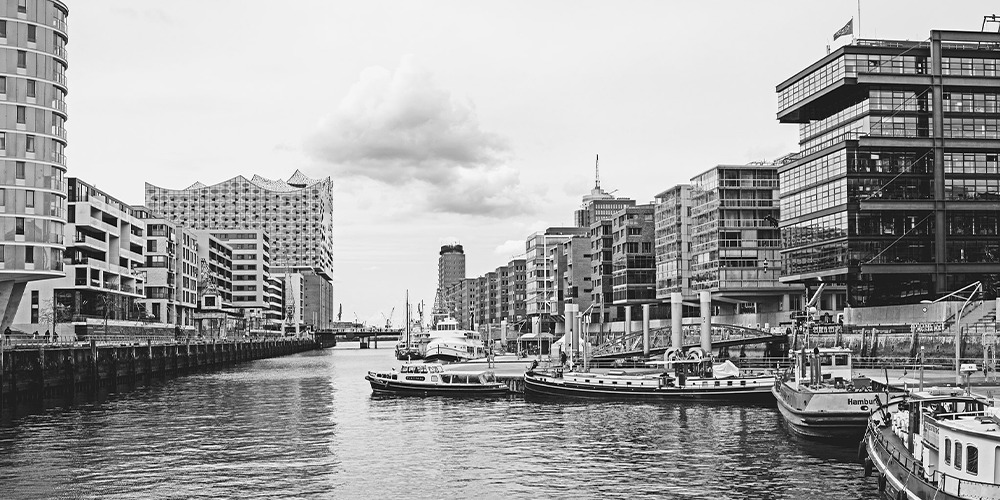
Similarly, Hamburg and Copenhagen transformed abandoned port infrastructure into thriving urban districts – also without relying on taxpayers. These cities created urban wealth funds to manage and develop these assets professionally.
In Hamburg, the city-owned HafenCity GmbH redeveloped a 2.4 square kilometre harbour area, delivering 7,000 residential units and commercial space for 35,000 people – plus schools, universities and a landmark concert hall.
Copenhagen’s UWF, ‘By og Havn I/S’, repurposed an old harbour and a former military site. Covering twice the area of Hamburg’s project, it resulted in over 33,000 new homes, 100,000 jobs and major infrastructure upgrades, including a metro extension, university and new parks. These were all funded by the project’s own revenues.
Such developments not only provide a boost to the economy and opportunities for the private sector but also increase the housing stock, promote social mobility and improve urban liveability – key ingredients for long-term prosperity.
Zeroing in on net worth
When governments diversify their income sources beyond taxes, they reduce fiscal risk and increase economic resilience. At a time when many are searching for ways to fund critical investments, a balance sheet approach offers a powerful solution.
Focusing on net worth – the difference between public assets and liabilities – enables and encourages better financial management than relying on debt-based fiscal rules, which paint an incomplete picture of fiscal position. Without understanding the full balance sheet, governments risk underinvesting, misallocating debt and wasting resources.
Importantly, if debt is used to fund consumption for short-term political gain, rather than productive investment, it becomes a burden on future generations. Intergenerational fairness requires that today’s borrowing builds assets that benefit tomorrow’s citizens, not just today’s voters.
By setting a net worth target, governments could shift incentives toward smarter, long-term investments in infrastructure, housing and innovation – laying the groundwork for sustainable growth.
Ensuring sustainable prosperity requires governments to go beyond short-term fixes and look strategically at their balance sheets. Managing public assets and liabilities more effectively isn’t just about accounting – it’s one of the greatest untapped opportunities to unlock economic potential. By embracing a net worth approach, policy-makers can fund infrastructure, reduce reliance on taxes and create cities that are both liveable and future-ready.
Dag Detter is Principal of Detter & Co.

Image Source: dasfotowerk
Interested in this topic? Subscribe to OMFIF’s newsletter for more.