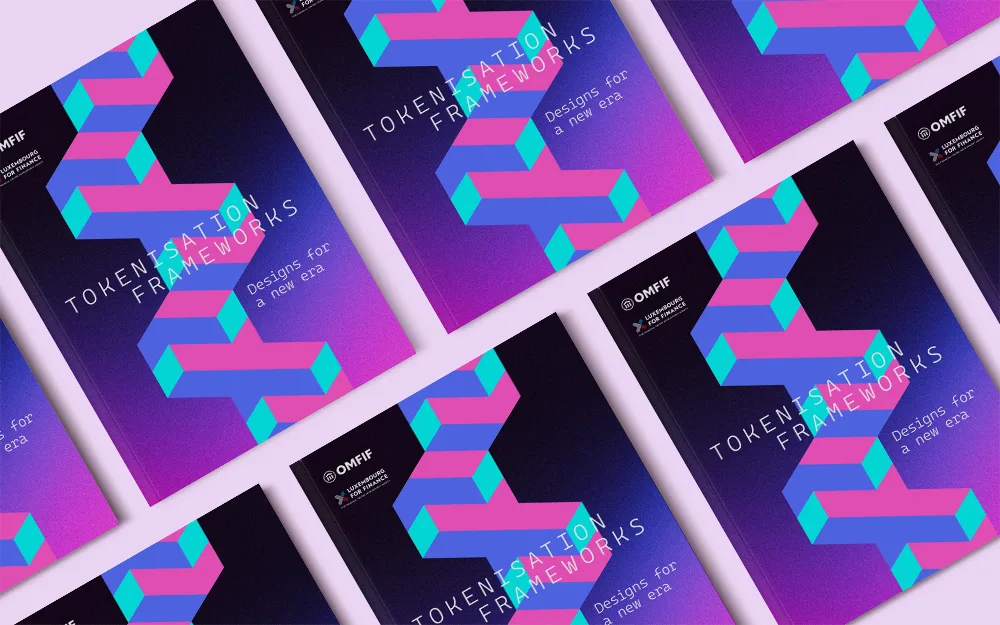
Tokenisation frameworks: Designs for a new era
For several years, blockchain innovation in financial services was largely characterised by experimentation. Today, developments point to a far more substantive shift, particularly around tokenisation, which has moved from concept to implementation across multiple areas of financial markets.
However, not all tokenisation is created equal and the legal nuances can be subtle but are important to understand. A new report by OMFIF and Luxembourg for Finance explores exactly what a token purporting to represent a financial asset entitles the holder to. It examines the different types of tokenisation across several asset classes, the benefits they bring and the legal structures that are enabling this activity.
Enter your details on the right to read the report.
What this report covers:
- The legal structures underpinning tokenisation, including the differences between direct, indirect and incomplete models, and what they mean for ownership and investor protection.
- Where tokenisation is gaining traction in practice, from collateral and repo markets to early sovereign and supranational bond issuance.
- The regulatory and prudential considerations shaping adoption, particularly around public versus private blockchains and bank capital treatment.
- The challenge of cash settlement in a tokenised environment, and the implications of central bank money, stablecoins and tokenised commercial bank deposits.
- How tokenisation could reshape issuance, liquidity and market access, including lower marginal issuance costs, fractionalisation and cross-border participation.
Partner